The curse of Macbeth: the name actors never type
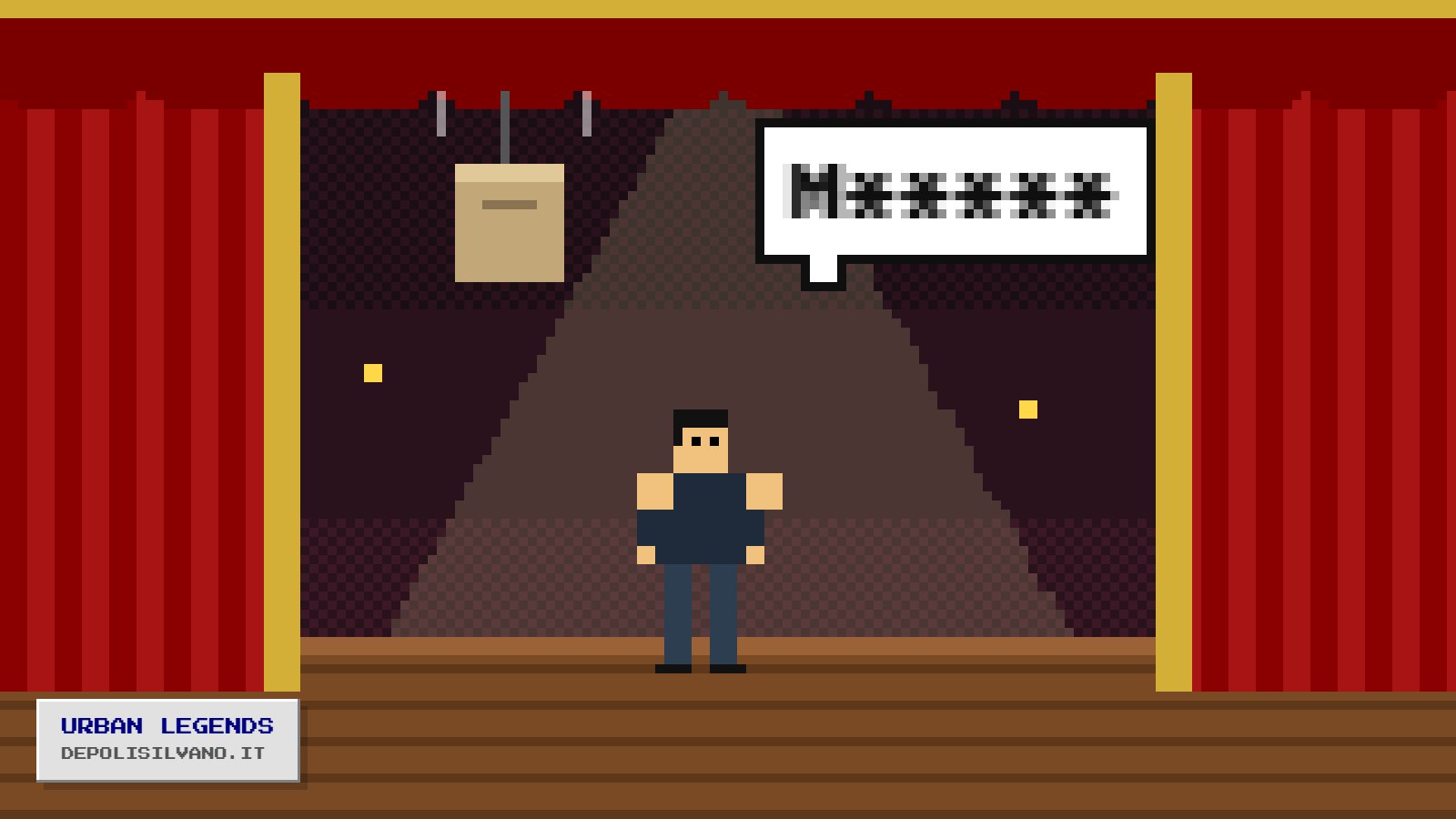
In the theatre there's a title nobody says out loud, like a password you never write on a sticky note. Actors call it “the Scottish play” or “that show”, and if someone lets the real name slip, an emergency procedure kicks in worthy of a data centre. Welcome to the curse of Macbeth.
The file you must not open
The superstition holds that naming Macbeth inside a theatre, outside the performance itself, brings trouble to the company: accidents, illness, collapsing sets, savage reviews. The most widespread legend about its origin claims that Shakespeare used real witchcraft spells in the witches' scenes, earning himself an eternal curse. No historical evidence supports this: it's the typical source code attributed after the fact to a famous author.
The recovery procedure
If the name is spoken by mistake, tradition prescribes a cleansing ritual. Versions vary, but the basic package is this:
- leave the dressing room;
- turn round three times;
- spit, or say a protective formula, depending on the school;
- knock and ask permission to come back in.
In practice it's a forced reboot with three spins of the fan. The guru of “turn it off and on again” would approve: you don't know what broke, but in the meantime you power-cycle yourself.
The incident log
Over the centuries a long list of episodes associated with productions of the tragedy has built up: fires, falls, sudden illness, actors injured in sword fights, even riots in the audience. Some events are documented, such as the serious riots that broke out in New York in the nineteenth century around two rival productions. Others are anecdotes handed down without solid sources, such as the story of the actor who died on opening night and was replaced by the author in person: historians consider it a much later invention.
The point, as a sysadmin sees it, is statistical. Macbeth is one of the most performed plays in the world, full of sword fights, scenes in the dark, fog and stage fire. The more installations you do of a complicated piece of software, the more support tickets you collect. And if you only log the tickets for the cursed show and ignore everyone else's, the log will always prove you right.
Why the legend holds up
- Confirmation bias: every accident during Macbeth goes into the curse archive, every accident during a comedy goes straight into the recycle bin.
- Group effect: theatres are communities that hand down rituals, and a shared ritual binds people more than a rulebook.
- Great marketing: a cursed play draws a far bigger audience than a play that's merely long.
The antivirus verdict
The curse of Macbeth is a superstition, not a proven phenomenon: no serious statistics show that this title does more damage than any other. But it's a beautiful superstition, and respecting it costs nothing. Just to be safe, I renamed the project folder “scottish_play_final_v2”. Since then the server has never crashed. It has just become incredibly slow, but that's another tragedy.
Loosely based on an old piece from the teneraerbetta.it archive