Roopkund, the skeleton lake that rewrites its own log
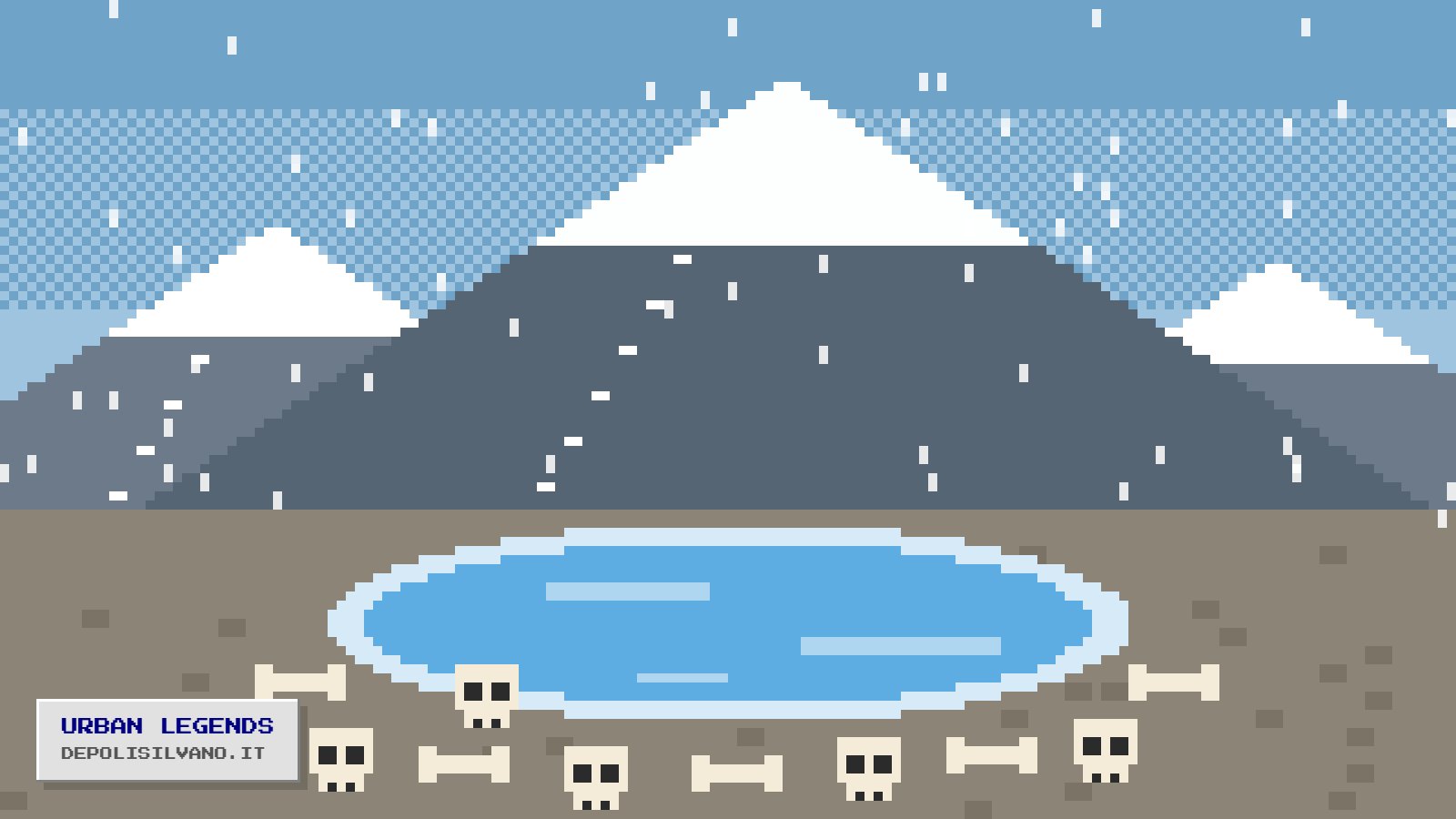
At around five thousand metres, in the Indian Himalayas, there is a small glacial lake that stays frozen for much of the year. When it thaws, human remains surface along its shores: hundreds of people. It is Roopkund, which the papers renamed Skeleton Lake, and it is one of those cases in which legend and science have had to work in the same room.
A discovery in 1942
The remains were noticed in the Forties by a forest ranger. At first, with the war in full swing, people even thought of soldiers who had died recently. Then of a military expedition from past centuries trapped by the cold. Each hypothesis was a first version of the software: launched with enthusiasm, corrected in the next release.
Getting there is no joke: it takes days of trekking from the nearest village and good acclimatisation to high altitude. It is not a day trip, and that too helped the mystery grow. What is hard to check becomes easy to tell.
What tradition says
Local stories tell of a king who set out on pilgrimage towards the places sacred to the goddess Nanda Devi with a large and festive retinue, ignoring the sobriety the rite required. The mountain deity is said to have grown angry and unleashed a storm. It is an ancient tale, handed down with respect by many communities, and it has its own narrative logic: it reminds you that the mountain must be approached with humility.
The route is linked to a pilgrimage still celebrated today at intervals of about twelve years. And this is where tradition and science start talking to each other.
The hail and the first analyses
In the early 2000s an international expedition, also featured in television documentaries, studied the remains. Several skulls showed injuries consistent with violent blows from above. The most discussed hypothesis was an exceptional hailstorm, with hailstones big enough to be lethal for anyone caught in the open without shelter on an exposed path. A natural explanation that, curiously, looks a lot like the storm in the legend.
The genetic plot twist
The real update came with more recent genetic studies, published at the end of the 2010s. The result complicated everything: the remains apparently do not belong to a single group who died on a single day, but to different groups, who lived centuries apart, some with genetic origins very far from India, linked to the eastern Mediterranean.
Who they were, why they were there and exactly how they died remains largely an open question. It is like opening an old disk and finding that it contains not one backup but several overlapping archives, written in different eras.
Respect, first and foremost
It is easy to turn Roopkund into a thrill-seekers' attraction, with clickbait headlines and photos of bones. But those were people: pilgrims, travellers, perhaps porters, who died in an extremely harsh place. Over the years the site has also suffered from hikers taking remains home as souvenirs, which is why there is increasing talk of protecting it.
The lesson for mystery hunters is simple: a real mystery does not need inflating. Just read the data patiently, accept that some answers do not exist yet, and treat those who can no longer speak with the same care we would want for ourselves.
Loosely based on an old piece from the teneraerbetta.it archive