Health and hazards: the hoaxes that circulated before Wi-Fi
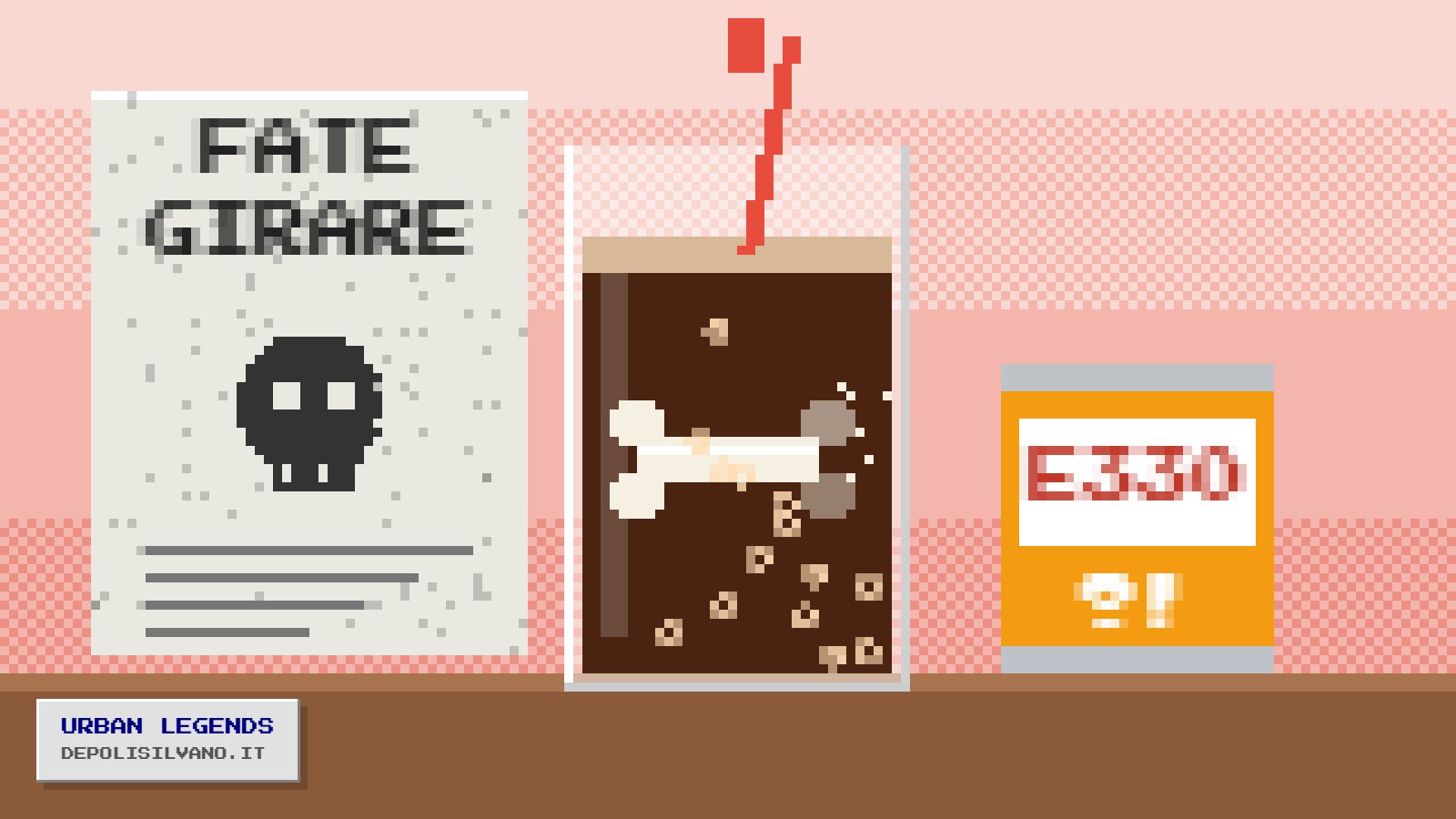
Before social media, health hoaxes travelled by photocopy. Faded, crooked, with an illegible stamp and the inevitable request: “Please pass this on.” It was spam on paper, and it worked better than the real thing.
The fear virus
These legends share common firmware: a danger hidden in an everyday object, an authority quoted at random and an order to forward. They are chain letters in a white coat. The best part is that nobody has ever met the author, just like the mysterious colleague who set up the network printer in 2009.
A note before we run the antivirus: here we debunk rumours, we do not give medical advice. For that there is the doctor. Not the leaflet, not the cousin.
The LSD stickers
For years leaflets circulated warning parents: outside schools, shady characters were supposedly handing out stickers or transfers soaked in drugs to hook children. The sheet was attributed in turn to the police, the carabinieri, ministries or hospitals, which duly denied it.
Blotters soaked in narcotics really do exist, but free distribution to primary school children is a legend. No dealer gives the goods away: it is a business model that would not convince even the most optimistic accountant.
The terrible E330
Another classic: the list of “carcinogenic” additives, with food brands listed as defendants. At the top of the villains' chart was E330. Which is citric acid. The stuff in lemons.
The leaflet was a jumble of errors and half-truths, and yet it was photocopied for decades by well-meaning volunteers. It proves that a hoax does not need to be credible: it just needs to be printed in Times New Roman.
Gum, rats and bubbles
- Gum made with rat fat: it was said that a famous brand of chewing gum, and even the glue on postage stamps, contained bits of rodent. No evidence: the only documentable damage is to the reputation of the manufacturer.
- The child in the advert: the rumour claimed that the little boy in the commercials had suffocated inside a giant bubble. Another invention, one of those that stick to familiar faces from adverts like a file name stuck to the wrong desktop.
The Coca-Cola that dissolves everything
The mechanic who frees seized pistons by soaking them in the fizzy drink. The worker who fell into a vat and was found months later reduced to gleaming white bones. Stories about corrosive Coca-Cola are a literary genre of their own.
The drink is acidic, like many soft drinks and juices, and it can help shift a bit of rust. But it does not dissolve a person: if it did, we would find it in demolition manuals, not in the café round the corner.
Scary ingredients
Here the hoax is born from a misread word, like when a user sees “Kernel” in an error message and thinks of a colonel.
- Lip balm: the label lists Butyrospermum parkii, which is simply the botanical name of the shea tree. That “spermum” is Greek and means seed. No animals involved.
- Patchouli: people said it was distilled from elephant dung. It is actually the essential oil of a tropical aromatic plant.
- Cigarettes: one brand supposedly contained hormones, another sweat, another made you impotent. Pure legends. The real problem with cigarettes is well known, and much less imaginative: they are all bad for you, no secret ingredients required.
The barber and the hairball
A barber dies after a lifetime of work and the post-mortem supposedly reveals a ball of hair in his lungs. A trade story, probably born of superstition and passed from shop to shop. No documented cases: the human body has filters and defences that repel these invasions better than my company firewall.
Mystery meat and suspect juices
The restaurant closed down because a customer's dog refused the steak, which was then “analysed” in a laboratory nobody can name. The fried chicken head in the box of nuggets. The unspeakable object found in the fruit juice vat, as told by an anonymous former employee.
These are standard food legends, with the name of the restaurant and the brand interchangeable like a variable. The city changes, never the plot. If a real case existed, there would be an official order, a date, a file. Instead there is only a cousin.
The lab-made virus
Another rumour: a “censored” book supposedly reveals that the AIDS virus was built on purpose in a laboratory to target certain groups of people. It is a conspiracy theory that does not stand up. Scientific research points to a natural origin, with the virus passing from primates to humans. As for the book “stopped by the censors”, it is the oldest trick in hoax marketing: nothing sells like an invented ban.
Nothing new under the sun
Back in The Betrothed, Manzoni was already describing the rumours about the “plague spreaders” during the plague in Milan: mysterious carriages, infernal figures, ointments offered in exchange for money. Same architecture, different hardware. Fear always looks for a culprit and a form to pass around.
The best antivirus is still the free one: before forwarding, ask yourself who really wrote it. If the answer is “the leaflet says so”, we have already found the virus.
Loosely based on an old piece from the teneraerbetta.it archive